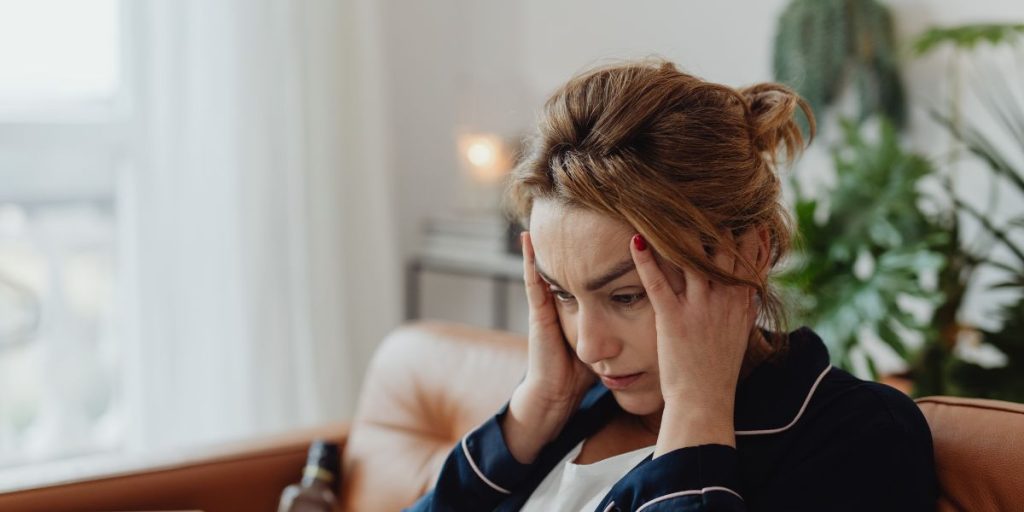
How to reduce stress quickly is a common issue today, especially with busy days and constant demands. To begin immediately, know that there are simple and scientifically validated methods for lowering tension in a few minutes. For example, a specialized forum offers useful discussions to understand the causes of stress, such as the category on artificial intelligence that explores the impact of digital on our mental well-being.
How to reduce stress quickly: effective and immediate techniques
Understanding how to reduce stress quickly involves identifying the physical and mental reactions that accompany it. The heart beats faster, the breathing becomes superficial and the thought fragments. Then, acting on breathing and attention produces a quick effect.
Here are immediate approaches and concrete tips for action in less than ten minutes.
Controlled breathing — Method 4-4-6
Breathing directly influences the autonomous nervous system. Therefore, controlling the breath reduces the cortisol and activates the parasympathic system.
- Inhale through the nose for 4 seconds.
- Hold your breath for 4 seconds.
- Expire slowly through the mouth for 6 seconds.
Repeat this cycle 6 to 8 times. For example, do it before a stressful meeting or after receiving bad news.
Progressive muscle relaxation
This technique reduces body tension by alternating contraction and relaxation of muscle groups.
- Start with your feet and go up to your face.
- Contract each group for 5 seconds, then release for 10 seconds.
- Focus on the feeling of relaxation during relaxation.
Take a short 5 to 10 minute session to observe a rapid decrease in anxiety.
Sensory anchoring: 5-4-3-2-1 technique
This method anchors attention in the present and removes anxious thoughts.
- Identify 5 things you see.
- Identify 4 things you can touch.
- Identify 3 things you hear.
- Identify two things you feel.
- Identify one thing you taste or one thing that brings you calm.
It is fast, portable, and very effective during a transient crisis.
Short movement and stretching
The body needs to move to release physical and mental tension.
- Take 30 seconds to walk on site or climb a few steps.
- Remove shoulders, neck and arms for 1 minute.
- Add 10 slow squats to increase circulation.
Even a short active break changes brain chemistry and lowers stress.
Digital micropause
Often, stress comes from an overload of information. As a result, reducing digital exposure has an immediate effect.
- Cut notifications for 15 minutes.
- Step away from your phone and focus on a simple task.
- To deepen the impact of digital technology on mental health, see this article on space computing and the digital revolution which explains the interactions between technology and well-being.
5-step Quick Action Plan (to be implemented now)
- Breathe deeply for 60 seconds (Technique 4-4-6).
- Make a 5-4-3-2-1 sensory anchor in 2 minutes.
- Get out and walk for 2 minutes to restart traffic.
- Drink a glass of water or a cup of tea without caffeine.
- Note a concrete action to resolve the source of stress within the next 10 minutes.
These combined steps effectively reduce stress and facilitate decision-making.
Daily prevention: routines to reduce long-term stress
A daily plan reduces the occurrence of peaks of stress. Indeed, the repetition of good habits builds lasting resistance.
- Sleep: Target 7 to 9 hours per night and regular routine.
- Physical activity: 30 minutes of moderate exercise 3 to 5 times a week.
- Diet: Limit sugar and caffeine, increase omega-3 and fiber.
- Meditation: 10 minutes of full daily consciousness is enough to improve resilience.
- Time management: plan priority tasks and segment your day.
These measures prevent the escalation of stress and improve mental clarity.
Practical examples and cases of use
For example, a manager who needs to speak in public can combine 4-4-6 breathing, rapid muscle relaxation and repeat a positive anchor sentence before entering a meeting. Similarly, a stressed student before an exam wins to take a 10-minute walk, drink water, and review 2 essential points instead of reading everything intensely.
Another example: if you are constantly interrupted at work, use a 25 minute timer (Pomodoro technique) to work without interruption, followed by a 5 minute active break.
Recommended resources and tools
- Meditation applications: usable for short guided sessions.
- Connected watches: regular reminders for breathing or moving.
- Logbook: Record triggers and effective solutions.
- Groups or support forums to share strategies.
Use these tools in a targeted and regular way to strengthen the effects.
Warning signs: when to ask for professional help
Stress becomes problematic when it interferes with sleep, work or relationships. Find help if:
- Anxiety persists more than two weeks.
- You avoid situations where your performance falls.
- You have persistent physical symptoms (palpitations, pain).
A mental health professional may offer cognitive therapy, exposure techniques or drug management if necessary.
FAQ
What simple actions to reduce stress quickly in 1 minute?
In 1 minute, practice deep breathing 4-4-6, make a visual micro-pause looking away, and contract and quickly release hands and shoulders. These gestures interrupt the adrenaline climb.
Does meditation help reduce stress immediately?
Yes, even 5 to 10 minutes of meditation of full consciousness decrease anxiety and help to refocus. For example, a short guided session before a demanding task brings calm and concentration.
What foods or drinks reduce stress quickly?
Water, chamomile tea or a high protein snack ( yogurt, nuts) help stabilize blood sugar levels and reduce irritability. Avoid fast sugar and caffeine in case of acute stress.
Practical tips to integrate today
- Plan micro-pauses every 90 minutes.
- Create a morning routine including 5 minutes of breathing.
- Prepare a « Stress kit » Water bottle, anti-stress ball, headphones for soothing music.
- Set numerical limits: hours without screens in the evening.
- Practice gratitude: Rate 3 positive things every night.
These habits are gradually changing your response to stress.
Conclusion
You now have immediate techniques and long-term strategies to understand how to reduce stress quickly and sustainably. Start by applying a simple method today: breathe 4-4-6, make a micro-pause, then note a concrete action to solve the source of stress. Act now to regain calm and clarity; set up a daily habit and observe the difference within a few weeks.
Try one of the proposed techniques and then take action: choose a method, practice it for a week and adjust according to your results. Your well-being begins with a decision, make it today.

