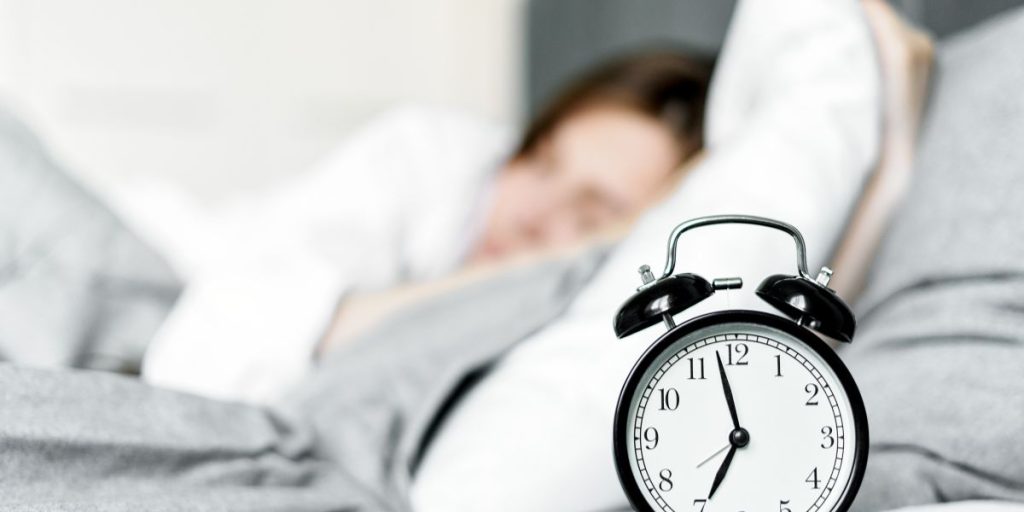
Introducing good habits can transform your nights. In this article, discover 10 tips to sleep better, with practical tips and easy to apply this evening. Designing your room helps a lot: think about lighting and decoration, even the choice of materials can improve comfort, as explained in this article on theinterior design.
Why focus on sleep? Lack of sleep affects mood, concentration, memory and long-term health. These 10 sleep tips cover sleep hygiene, the environment, food and stress management.
10 tips for sleeping better: practical guide
1. Establish a regular bedtime routine
Have an hour of consistent bedtime and waking regulates the biological clock. The body prefers regularity.
Examples: go to bed at 10:30pm and get up at 6:30am every day. Reduce variations on weekends.
Practical advice: start by adjusting from 15 minutes each week to your optimal schedule.
2. Create a relaxing ritual before sleeping
A ritual tells the brain that it's time to relax.
Ideas: reading, warm bath, guided meditation or slow breathing exercises. Avoid stimulating activities.
Tip: Use a timer to limit screen time to 30 minutes before bedtime.
3. Optimize temperature and darkness
The ideal temperature varies, but 16–19°C is often suitable. A room too hot prevents the sleep phase.
Block the outside light with opaque curtains. Light activates cortisol production and disrupts melatonin.
Practical: Install a small low intensity lamp for night travel.
4. Treat bedding and ergonomics
A suitable mattress and pillow reduce night wakes and pain.
Test the firmness of the mattress in store and replace the pillow every 1-2 years depending on your sleeping position.
Concrete example: If you have cervical pain, prefer an ergonomic pillow.
5. Limit caffeine and alcohol in the evening
Caffeine can remain active 6–8 hours after consumption. Reduce the coffee after 2:00.
Alcohol promotes sleep but fragments sleep later in the night.
Practical advice: replace the evening coffee with a caffeine-free herbal tea.
6. Control exposure to screens
The blue light on the screens inhibits melatonin. Reduce the use of appliances one hour before bedtime.
Use night mode or blue light filters if you need to read on tablet.
Transition: Technologies can also help. Sleep analysis tools exist and some articles on AI advances show how technology is evolving, such as this article on the artificial intelligence tools that influence our routines.
7. Practice relaxation and breathing
Simple techniques like breathing 4-7-8 decrease heart rate and promote sleep.
Exercise: Inhale 4 seconds, hold 7 seconds, expire 8 seconds. Repeat four times.
Tip: Combine breathing with a soothing mantra to strengthen the effect.
8. Move regularly, but not too late
Physical activity helps to sleep deeper, but avoid intense sessions before bedtime.
Plan: do sports in the morning or late afternoon. A light walk after dinner facilitates digestion and relaxation.
9. Attention to evening feeding
A heavy or spicy dinner can cause discomfort and reflux, disturbing sleep.
Prefer a light meal rich in protein and vegetables, and avoid added sugars after 8pm.
Example: lukewarm salad with fish or chicken, followed by a compote without sugar.
10. Managing stress and night thoughts
Ruminations delay sleep. Learn techniques to pose your thoughts.
Method: Keep a notebook « pre-set » where you note tasks and worries before turning off the light.
Complementary technique: the « body scan » helps to relieve progressive tensions.
Quick action lists for tonight
- Turn off the screens 60 minutes before bedtime.
- Set the chamber to 18°C.
- Practice 5 minutes of 4-7-8 breathing.
- Note 3 positive things of the day in a notebook.
Frequently asked questions about sleep hygiene
Is it normal to wake up at night?
Yes. Short awakenings are common. But if you take more than 30 minutes to go back to sleep or wake up several times, you must act.
Tip: apply a tip of the 10 tips to sleep better, such as regular schedules and reducing stimulants.
How much sleep does it take?
Adults usually need 7 to 9 hours. Needs vary according to age, lifestyle and health.
Tip: observe your energy level and adjust your schedule gradually.
Are naps recommended?
Yes, if they are short (10–30 minutes) and taken before 3pm. Long or late naps can affect night sleep.
Practical advice: Install an alarm to limit nap time.
Other practical advice and adjustments
Consider assessing your room as a refuge. Reduce the disorder, control the noise with plugs or a white noise machine, and prefer soothing colors.
If you live in a shared space, communicate your schedules and needs. Sleep is influenced by the social environment.
When to consult a professional?
If insomnia lasts more than three months, if you have apnea, excessive daytime sleepiness or signs of depression, consult a doctor or sleep specialist.
Follow-up may include sleep study, temporary medication adjustments, or cognitive-behavioural therapy for insomnia (TCC-I).
Conclusion
Improving your nights is possible with small regular habits. Following these 10 tips to sleep better gives you concrete tools: routine, environment, diet, physical activity and stress management. Gradually test the tips and note what helps you the most.
Take action tonight: choose two tips to apply and observe the changes over a week. Your sleep deserves this attention — Start now and enjoy better energy on a daily basis.

