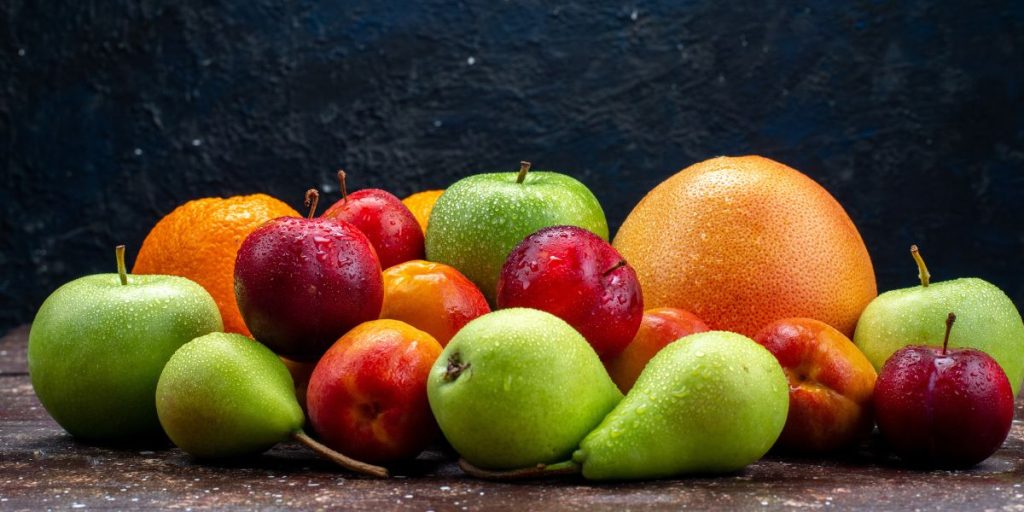
Starting the day with the right food changes everything: Foods that boost energy help fight fatigue, improve concentration and stabilize mood. From breakfast, choosing appropriate nutrients gives you a sustainable energy reserve rather than peaks followed by falls.
In addition, to better understand the impact of the digital world on our attention and energy levels, you can read an interesting article on space computing and its impact on our daily rhythms.
The following principles explain which foods are preferred and how to combine them for concrete results.
Foods that boost energy: key categories
Knowing food categories helps to compose energy meals. Complex carbohydrates, proteins, healthy fats, vitamins and minerals each play a specific role.
Then hydration and antioxidants complete the equation. In practice, alternating these sources guarantees stable energy throughout the day.
Complex carbohydrates: sustainable energy
Complex carbohydrates provide glucose gradually, avoiding falling energy.
- Examples: oatmeal, quinoa, sweet potato, whole bread.
- Tip: prioritise full grain for breakfast until noon.
In addition, always combine a complex carbohydrate with a protein to slow down sugar absorption and prolong satiety.
Proteins: repair and vigilance
Protein supports muscle repair and sustained vigilance.
- Sources: eggs, chicken, fish, tofu, legumes.
- Practical tip: 20–30 g of breakfast protein improves morning concentration.
Finally, protein snacks (Greek yogurt, almond handles) avoid cravings and maintain energy.
Healthy fats: brain fuel
Omega-3 and monounsaturated fatty acids promote brain health and stabilize the energy economy.
- Good choices: avocado, olive oil, nuts, chia seeds, salmon.
- Example: full bread spread, avocado and poached egg for a full and energizing meal.
Thus, fats do not increase when they replace fast sugars; On the contrary, they support cognitive performance.
Vitamins and essential minerals
Some micronutrients are crucial for the production of cellular energy.
- Iron: lean red meat, lentils, spinach — prevents anaemia.
- Magnesium: sunflower seeds, nuts, spinach — reduces fatigue.
- Vitamins B (B1, B2, B3, B6, B12): whole grains, eggs, dairy products, fish — support energy metabolism.
Tip: If you are on a vegetarian diet, check your iron and B12 intake and consider a regular blood test.
Hydration and natural energy drinks
Dehydration undermines energy and concentration. Drink regularly, even without thirst.
- Recommended drinks: water, lemon water, unsweetened herbal teas.
- Avoid: Sweet drinks and industrial energy that create peaks and falls.
In addition, a cup of coffee can help occasionally, but pay attention to abuse at the end of the day.
Anti-fatigue foods to be incorporated weekly
Here is a handy list of foods to add systematically to your energy boost shopping.
- Quinoa and oatmeal
- Greek eggs and yogurt
- Salmon, sardines and other fatty fish
- Legumes: lentils, chickpeas, beans
- Nuts, almonds, chia and flax seeds
- Green vegetables: spinach, broccoli, kale cabbage
- Fruit rich in fibre: apples, berries, bananas
Try to integrate at least three of these categories per meal for sustainable energy.
How to compose energy meals: concrete examples
Specific examples help to implement the recommendations. Here are four ideas for meals and snacks.
- Breakfast: oat porridge with almond milk, sliced banana and chia seeds.
- Lunch: quinoa bowl, grilled salmon, sautéed spinach and avocado.
- Gluing: Greek yogurt with a handful of nuts and some berries.
- Dinner: lentil salad, roasted vegetables and chicken fillet.
In addition, keep moderate portions and chew slowly to optimize digestion and absorption of nutrients.
Timing of meals and snacks (3 practical tips)
- Eat a high-protein breakfast within one hour of waking up.
- Take a snack containing protein + carbohydrates 3–4 hours after the meal.
- Avoid large meals too high in fat before important intellectual activity.
Finally, note your reactions: some foods may cause drowsiness in some people — Please adapt.
Strategies to avoid energy reductions
Adopting some habits limits performance losses.
- Sleep well: Sleep deprivation alters energy production.
- Limit refined sugars and ultra-processed foods.
- Move regularly: 5 to 10 minutes walk every hour stimulate traffic.
- Manage stress: Short meditation and deep breathing reduce mental fatigue.
Also, to verify the reliability of certain nutritional recommendations read online, consult the Legal information page to know the sources and editorial transparency.
Supplements: when and what to consider
First of all, focus on feeding. However, supplements may be useful in some cases.
- Vitamin D: often necessary in winter or for lack of solar exposure.
- Iron: only on medical diagnosis.
- Omega-3: if consumption of fat fish is insufficient.
- Complex B: for people who are very stressed or at risk of deficiency.
Note: Consult a healthcare professional before starting any supplement.
Fast recipes to boost energy (to take away)
Here are three express recipes, easy to prepare and take away.
- Green smoothie: spinach, banana, Greek yogurt, chia seeds.
- Protein wrap: full tortilla, grilled chicken, avocado, salad.
- Breakfast bowl: cooked quinoa, diced apples, cinnamon, almonds.
In addition, preparing portions on Sundays simplifies the respect of an energetic diet during the week.
Preparation and storage advice
- Prepare the grains (quinoa, complete rice) in large quantities and freeze in portions.
- Cut vegetables and fruit in advance for snacks.
- Use airtight jars to keep freshness and flavours.
These small habits save time and reduce the temptations of low-nutrient foods.
Food by intensity of activity
- Light activity (office): focus on complex carbohydrates + protein.
- Moderate activity (sport 3-4x/week): add more carbohydrates and proteins around the effort.
- Intensive activity (athlete): Increase overall caloric intake, prefer recovery (proteins + carbohydrates post-exercise).
Adapt the energy density according to your needs to avoid chronic fatigue.
FAQ
What are the best snacks for a quick and healthy energy boost?
The best snacks combine protein and carbohydrates: Greek yogurt + fruit, an apple with almond butter, or a small handful of nuts and a banana. They provide both a rapid intake of natural sugar and protein support for the duration.
Is coffee good for sustainable energy?
Coffee brings a temporary boost thanks to caffeine. However, it can disrupt sleep and create addiction. Use it in moderation and avoid after 15–16 hours to preserve the quality of sleep.
Should sugars be completely avoided?
No, but limit them. Fast sugars give immediate energy but often cause a fall. Prefer whole fruit or combine a fast sugar with a protein to cushion the drop.
Conclusion
Adopting a diet thought for energy endurance transforms your daily life: more concentration, less cravings and a better mood. Start by incorporating a few foods listed here, test the recipes offered and follow your sensations for two weeks.
Take action now: plan your meals of the week, make a targeted race list and try an energyy recipe tomorrow morning. Your body and brain will thank you.

