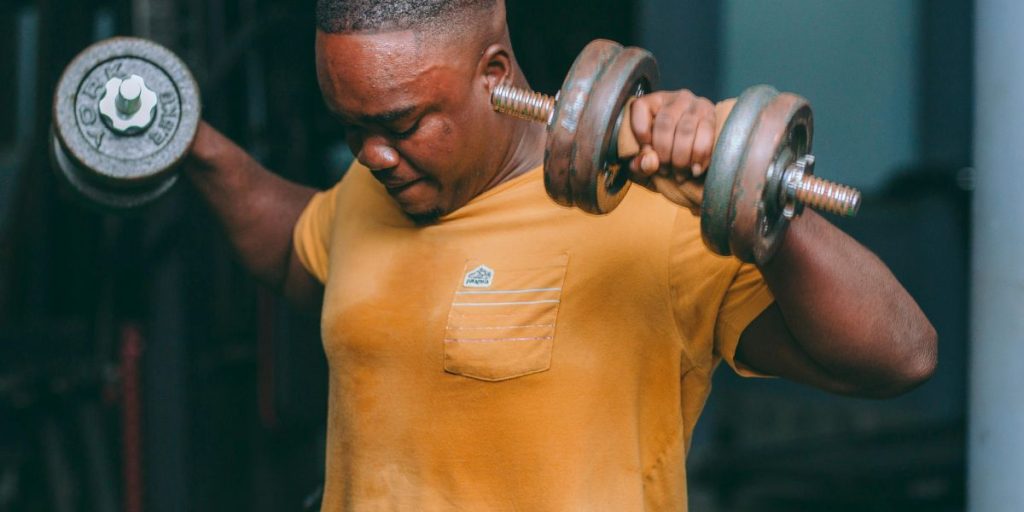
Introduce a simple and sustainable routine is the key to knowing how to lose weight naturally without resorting to extreme diets or miracle pills. By combining balanced diet, adapted physical activity, and lifestyle changes, you can achieve lasting results.
To begin with, organize your meal preparation space to facilitate healthy cooking; for example, discover practical ideaskitchen layout for healthy cooking which encourage motivation in everyday life.
How to lose weight naturally: basic principles
Losing weight naturally depends on a moderate and constant calorie deficit, but without sacrificing nutritional quality.
In other words, consume less energy than you spend on it, while preferring nutrient-intensive foods such as vegetables, lean proteins and good fats.
In addition, increase your energy spending through regular physical activity and improve factors such as sleep and stress, as they influence metabolism and appetite.
Food: practical tips and examples of meals
Adopting a healthy diet does not mean deprivation, but intelligent choices.
- Promote whole and unprocessed foods.
- Prefer protein to each meal (fish, chicken, tofu, legumes).
- Fill half your plate with vegetables.
- Limit added sugars and sweet drinks.
Here are concrete examples of daily meals to inspire you:
- Breakfast: natural yogurt with oatmeal, red fruits and chia seeds.
- Lunch: quinoa salad, chickpeas, grilled vegetables and olive oil dressing.
- Dinner: salmon fillet, steam broccoli and roasted sweet potato.
- Collations: apple and almond handle; Carrot and hummus sticks.
In addition, bet on preparing meals in advance to avoid temptations. Finally, use simple techniques such as chewing slowly and putting your fork between each bite to better feel satiety.
Hydration, sleep and stress management
Water, rest and stress management are often neglected pillars.
First, drink enough: 1.5 to 2 litres of water per day depending on the activity. Water helps control appetite and optimizes metabolism.
Then sleep at least 7 hours a night. Bad sleep increases hunger via ghrelin and decreases leptin, the hormone of satiety.
Finally, stress management: practice meditation, deep breathing or walking outdoors. These techniques reduce emotional snacking and stabilize hormones.
Physical activity: how to integrate effectively
Moving regularly is essential to burn calories and preserve muscle mass.
Start with moderate sessions if you start: walk fast 30 minutes a day, 5 times a week.
Then gradually add:
- Two to three muscle building sessions a week.
- One or two more intense cardio sessions (intervals) to stimulate metabolism.
- Complementary activities: yoga for flexibility, swimming for endurance.
Here is an example of a realistic training week:
- Monday: fast walking 30 min + sheathing exercises (15 min).
- Wednesday: reinforcement session (squats, pumps, slots) 30-40 min.
- Friday: HIIT session 20 min.
- Sunday: hiking or cycling 60 min.
Remember: regularity prevails over extreme intensity. Moreover, integrating activity into daily life (taking stairs, walking for small races) is very beneficial in the long term.
Habits and environment that promote success
Changing your environment makes it easier to adhere to new habits.
For example, store sugar-rich foods out of reach, prepare controlled servings, and create a entertainment-free dining area like television.
In addition, the layout of your home can influence your well-being and routines. Think of a serene space to cook and eat without stress, and a corner dedicated to exercise at home when possible. For inspirational planning ideas, see an article on choose a soothing interior to better respect its regime.
Next, surround yourself with people who support your approach: a training partner or support group greatly increases the chances of success.
Advanced tips and mistakes to avoid
Some simple adjustments can speed up your progress.
- Control the portions with a scale at the beginning.
- Keep a food journal to identify the traps.
- Variate proteins and vegetables to avoid boredom.
- Gradually reintroduce pleasure foods to maintain psychological balance.
Finally, avoid common mistakes:
- Do not rely solely on diets « rapid ».
- Do not skip meals repeatedly.
- Do not exclude essential macronutrients over the long term.
Adopting a flexible and caring approach is more effective than the excessive rigour that often leads to abandonment.
4 weeks program to start (example concrete)
Week 1: Building the Base
- Purpose: drink 1.5 L of water/day, walk 30 min every day.
- Diet: reduce sweet drinks, increase vegetables.
Week 2: Strengthening the structure
- Purpose: to add two muscle building sessions.
- Diet: plan 3 balanced meals per day + 1 snack.
Week 3: Stepping up
- Purpose: to introduce one HIIT session per week.
- Diet: Reduce the portions of refined carbohydrates.
Week 4: Assess and adjust
- Objective: to measure progress (size, energy, clothing).
- Adjustment: increase or decrease contributions according to results.
This program is flexible; The main thing is the smooth and steady progression.
FAQ
Is it possible to lose weight without intensive sport?
Yes. Regular walking, light strengthening exercises and improved diet are often enough to lose weight naturally. In addition, the increase in non-exercise activity (household, gardening) contributes significantly.
Which foods prefer to accelerate weight loss naturally?
Prefer lean protein, leafy vegetables, whole grains, legumes and healthy fats (avocado, olive oil, nuts). These foods promote satiety and provide essential nutrients.
How long does it take to see visible results?
The first changes can occur within 2 to 4 weeks (water loss, food adjustments). For significant and lasting weight loss, count 3 to 6 months of regular effort. The emphasis must be on consistency.
Conclusion
Adopting a natural approach to weight loss is based on simple, repetitive and life-friendly choices. By combining nutrient-rich diet, regular physical activity, good sleep and a favorable environment, you create conditions for sustainable weight loss.
Start today: set a small goal for the week, plan your meals, and integrate a walking or strengthening routine. You have the power to change your habits, one step at a time — Engage now and observe the results.

