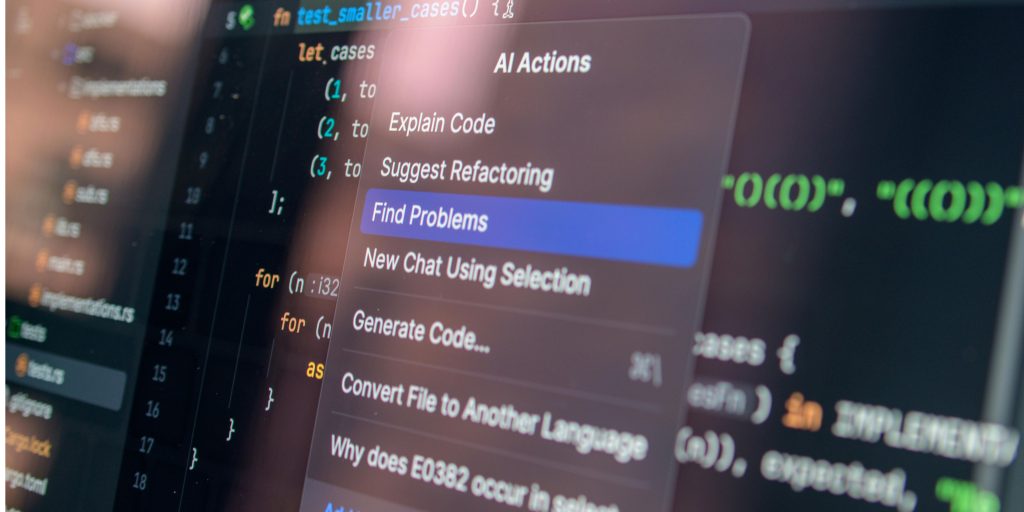
How the AI transforms the world of work by accelerating automation, increasing productivity and redefining the skills required for many trades. To better visualize these changes and the impact on the organisation of professional spaces, discover planning ideas on interior design solutions.
The purpose of this article is to explain, with concrete examples and actionable advice, how to integrate AI responsibly and strategically into your business.
How AI transforms the world of work — key areas and concrete examples
The AI acts on several levers simultaneously: repetitive task automation, decision support, customization of services and process optimization.
For example, chatbots and virtual assistants reduce the volume of simple calls in customer support, while referral systems increase online sales through customization.
Automation and operational efficiency
Robotic Process Automation (RPA) and machine learning models deal with tasks such as data entry, accounting reconciliation and reporting generation.
- Result: Reduction of human errors.
- Result: significant time savings for teams.
- Result: employees focus on high value added tasks.
Practical advice: Start by mapping the most time-consuming manual tasks, then pilot a proof of concept (POC) on a single task before generalizing.
Human-machine collaboration and increased skills
IA is not always synonymous with replacement. In many cases, it increases human capacity.
For example, factory cobots assist operators with heavy or specific tasks. Tools like GitHub Copilot help developers write code faster, while leaving human supervision.
Recommended actions:
- Identify short and targeted internal training pathways.
- Implement tutoring to facilitate skill development.
- Regularly assess performance gains after training.
Recruitment, evaluation and talent management
CV sorting and evaluation systems use predictive models to identify candidates most likely to succeed.
Attention:
- Risk of bias if training data are not representative.
- Need to explain automated decisions to remain in compliance with GDPR.
Tip: Combine automated screening with structured human interviews to reduce bias.
Sectoral impacts and case studies
Different sectors experience the impact of AI in a specific way. Here are concrete and measurable examples.
Health — diagnosis and personalized monitoring
The AIA allows to analyze medical imaging, predict complications and adapt treatments.
Concrete example: screening algorithms detect anomalies on X-rays with high sensitivity, accelerating management.
Recommendation: integrate pilot projects into small units to measure clinical and operational impact.
Industry — Predictive maintenance and optimization
IoT sensors combined with IA anticipate breakdowns and optimize the production chain.
Benefits:
- Less unexpected stops.
- Reduced maintenance costs.
- Longer lifespan of equipment.
Services — Customization and customer experience
Chatbots, scoring systems and sentiment analysis improve customer service and loyalty.
Examples:
- 24/7 instant responses for simple queries.
- Custom offers based on purchasing behavior analysis.
Benefits, risks and governance
Adopting the AI brings opportunities, but also obligations in terms of ethics and compliance.
Main advantages
- Increased productivity and cost reduction.
- Better decision-making through data analysis.
- Fast innovation and new business models.
Risks to be anticipated
- Algorithmic bias and discrimination.
- Loss of jobs for some automated tasks.
- Data confidentiality issues.
Governance and good practices
To minimize risk, set up clear governance.
Recommendations:
- Establish an IA ethics charter.
- Audit models and data regularly.
- Engage stakeholders (HR, IT, legal) from the start of the project.
How to implement the AI in your organization — 6-step action plan
Here is a concrete plan, applicable regardless of the size of your business.
- Step 1: Assess needs and prioritize use cases.
- Step 2: Collect and clean the necessary data.
- Step 3: Launch a limited prototype (POC) and measure results.
- Step 4: Measure business impact with clear KPIs.
- Step 5: Train teams and prepare for change.
- Step 6: Industrialize the solution and ensure maintenance.
Each step must include success criteria and a limited duration to avoid drifts.
Recommended measures of success
- Reduction of time per task (%).
- Error rate before/after automation.
- Customer satisfaction (NPS).
- ROI over 12–24 months.
Resources, training and strategic monitoring
To remain competitive, the day before and the training are essential. Companies must encourage continuous learning and experimentation.
To deepen trends and gain access to business analysis, consult regularly specialized sources such as articles on artificial intelligence.
Practical tips for training:
- Promote micro-formations (2–4 hours).
- Offer hand-on workshops with real cases.
- Create an internal community of practice to share experiences.
FAQ
Will the IIA massively eliminate jobs in the coming years?
It will replace some highly repetitive positions but will also create new functions (data engineers, ethics specialists AI, in-house trainers). The transition will depend on training and retraining policies.
What skills need to be developed to remain employable in the face of AI?
Competencies complementary to AI include: critical thinking, creativity, project management, data skills (reading and interpretation), and ability to work collaboratively with digital tools.
How to avoid biases and ensure compliance of AI projects?
Apply regular audits, diversify data sets, set up ethics committees and document each algorithmic decision to remain in line with GDPR and good practice.
Conclusion
The integration of AI is transforming the world of work by offering productivity gains, better customisation of services and innovation opportunities. However, these benefits are sustainable only if adoption is accompanied by ethical governance, an ambitious training plan and a gradualindustrialization strategy.
Act Now: Identify a high impact use case in your organization, launch a prototype and form your teams. Taking a pragmatic, human-centred approach will allow you to take advantage of AI while protecting your employees and customers.

