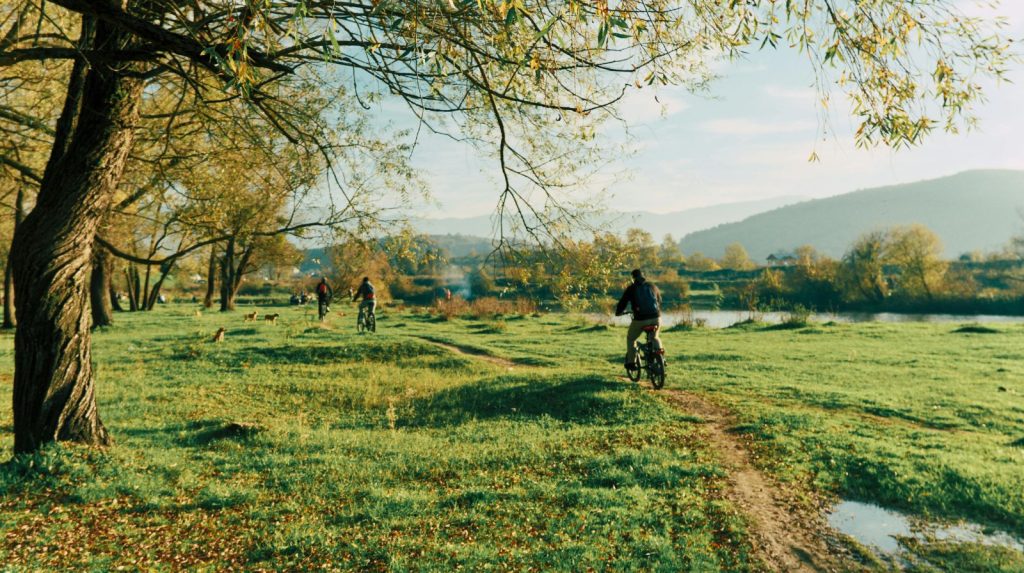
Going out in the wild is a unique way to recharge, and this article presents The best nature destinations for 2026 with practical tips, itineraries and tips to prepare your trip.
For seasonal ideas and targeted selections, discover also our best destinations for summer 2026 which completes this guide.
The best nature destinations: where to go according to your desires
The choice of a destination depends on your expectations: hiking, wildlife observation, wild beaches, or mountain bivouac.
Here are popular categories to choose from The best natural destinations:
- Mountains and peaks for experienced hikers.
- Ancient forests and national parks for wildlife observation.
- Coasts and islands for a mix of sea and nature.
- Deserts and lunar landscapes for quietness and stars.
Each type requires a different preparation; below are concrete examples and appropriate advice.
1) Mountains and peaks: to surpass
The mountain ranges offer incredible panoramas and varied trails.
Examples:
- The Alps for technical routes and well equipped shelters.
- The Pyrenees for wilder hikes and isolated passes.
- Rockies (North America) for peak photography and wildlife observation.
Practical tips:
- Check the weather and condition of the trails before departure.
- Take a topographical map and GPS with backup battery.
- Book shelters or bivouacs in advance in high season.
Recommended equipment:
- Adapted shoes, technical clothing and safety kit (swipe, survival blanket).
2) Forests, lakes and biodiversity: immersion in the wild
Ancient forests and protected parks are perfect for bird and mammal viewing.
Examples:
- Primary forests in Eastern Europe to see rare species.
- Wetlands and lakes of altitude for photographing migratory birds.
Wildlife Watching Tips:
- Get up early: dawn is often the best time.
- Use binoculars and an identification guide.
- Respect distances and avoid disturbing animals.
Environment:
- Follow the marked trails.
- Take your waste and minimize the use of plastic.
3) Coasts and islands: nature and relaxation
Wild beaches, cliffs and marine reserves offer another form of immersion.
Examples:
- The Mediterranean islands less frequented for swimming and coastal hikes.
- Fjords and northern coastlines for dramatic landscapes and marine observation.
Advice:
- Check the tides for coastal hikes.
- Look for protected areas for responsible snorkeling.
- Focus on local carriers and eco-labelled accommodation.
(4) Starry Deserts and Nights: Reconnecting
The deserts give an infinite impression and silence.
Examples:
- Atacama deserts for astronomy and lunar landscapes.
- Arid areas of Africa for safaris and meeting local cultures.
Security Council:
- Prepare sufficient water.
- Inform a relative of your itinerary.
- Avoid leaving alone in isolated areas without an experienced guide.
Planning your nature trip: practical tips
Good preparation turns a beautiful idea into a successful experience.
Budget:
- Establish a budget for transportation, accommodation, possible guide and equipment.
- Consider entry permits for certain parks or protected areas.
Health and safety:
- Check vaccinations and travel insurance coverage.
- Take a first aid kit adapted to the activity.
Essential Equipment:
- Adapted backpack, multilayer clothing, navigation accessories.
- Front lamp, powerbank, water filter if you plan bivouacs.
Local and sustainable respect:
- Promote locally engaged operators.
- Learn about good sustainable tourism practices for the region.
Example of a 7-day itinerary (ranched to average mountain):
- Day 1: Arrival and adaptation, recognition of the starting village.
- Day 2: Up to the first refuge, panoramic observation.
- Day 3: Crossing a ridge and discovering an altitude lake.
- Day 4: Day of acclimatisation and visit of a nature reserve.
- Day 5: Descent in the valley with local cultural point.
- Day 6: Free day or additional activity (canoeing, mountain biking).
- Day 7: Return and advice to extend the experience elsewhere.
Technology and Nature: How Digital Helps Exploration
Today, space technologies and satellite data improve planning and conservation.
For example, satellite image analysis can identify migration corridors, monitor forest evolution and anticipate natural hazards.
To learn how these innovations transform travel and research, see an article on space technologies and satellite data which explains their role for tourism and the environment.
Useful applications:
- Offline and Topographic Maps (GPS).
- Local weather alerts and trail closure notifications.
- Local platforms for booking guides and responsible accommodation.
Optimization tips for nature photography
Nature photography requires preparation and respect.
Practical tips:
- Use a versatile lens (e.g. 24-105 mm) or a telephoto lens for wildlife.
- Learn the composition rules (third party rules, leak lines).
- Respect the minimum distance of animals and avoid flashing.
Photo security:
- Protect your equipment from moisture.
- Store photos regularly on disk or cloud.
Eco-responsibility: travel without harm
Sustainable travel is crucial to preserve the best natural destinations.
Principles to be applied:
- Limit the carbon footprint (shared transport, trains where possible).
- Choose eco-labelled reception facilities.
- Support local conservation initiatives.
Concrete actions:
- Participate in a day of trail cleaning if possible.
- Contribute to a participatory science program (bird counts, inventories).
FAQ
What are the best months to visit The best nature destinations in Europe?
The best months depend on the region. In general, late spring to early autumn (May to September) offer pleasant conditions for hiking, while winter is suitable for snow sports. Check local conditions and tourist traffic.
How can I reduce my ecological impact on a nature trip?
Choose the train or carpool, choose eco-friendly accommodation, follow the marked trails, take your waste away and support local conservation projects. Traveling light and durable is the key.
What insurance can you choose for nature activities?
Choose a travel insurance that covers outdoor sports, repatriation, and emergency mountain evacuations if necessary. Read the clauses on covered activities and check the deductibles.
Conclusion
The best nature destinations offer a wealth of experiences, whether they be peaks, ancient forests, wild coasts or starry nights. By carefully planning, respecting the environment and using the appropriate tools, you can turn any trip into a memorable adventure.
Ready to go? Choose your next destination, prepare your equipment and book now to guarantee the best dates. Experience nature fully — start planning your adventure today!

