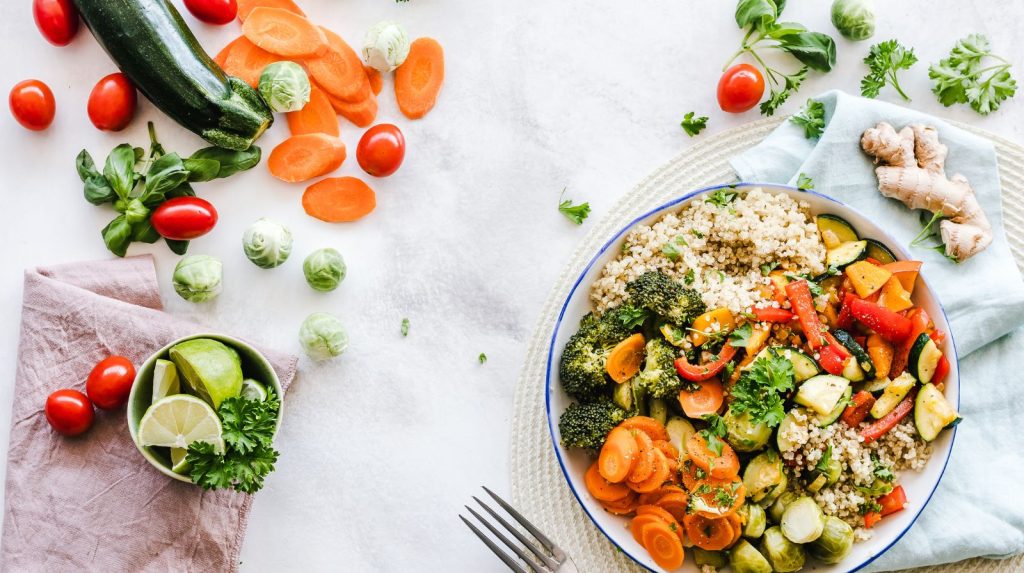
Food choices strongly influence our energy, immunity and longevity. In this article, discover 15 healthy foods that you can integrate this week to improve your daily well-being. To understand how technology and information can also guide our choices, see the reflections on space computing evidence of the importance of data in modern health.
Adopting these foods does not require a strict diet: it is enough to gradually replace processed products with more nutrient-rich options.
15 healthy foods to be integrated today
Here is a clear and practical list of the 15 foods, with their benefits, preparation ideas and serving tips.
-
Spinach
Spinach is rich in iron, vitamin K and antioxidants. They promote bone health and circulation.
Tip: add a handful of fresh spinach to your smoothies or sauté with garlic to accompany your protein. -
Broccoli
A source of vitamin C, fibre and sulfonaphane, broccoli helps detoxification and cell protection.
Preparation: Cook steam for 5 to 6 minutes to conserve nutrients. -
Blueberries (baths)
Rich in antioxidants (anthocyanins), they reduce oxidative stress and improve memory.
Tip: Eat a cup at breakfast or snack. -
Lawyer
With good monounsaturated fats, fibers and potassium, the lawyer supports heart health.
Idea: Replace the mayonnaise with a lawyer crushed in your sandwiches. -
Nuts (almonds, walnuts)
Provide omega-3, protein and vitamin E. They reduce cardiovascular risk.
Portion: 20-30 g per day is enough. -
Chia seeds
High in fibre, omega-3 and vegetable proteins. Ideal for satiety and digestion.
Use: prepare a pudding chia with vegetable milk and fresh fruit. -
Salmon (or omega-3-rich fish)
EPA/DHA fatty acids prevent inflammation and protect the brain.
Tip: consume 2 servings of fatty fish per week. -
Lentils and legumes
Vegetable proteins, iron and fibres — excellent for glycaemic regulation.
Tip: Replace a portion of meat with a simmer of lentils several times a week. -
Yagurt nature (or kefir)
Source of probiotics, calcium and protein. Promotes intestinal health.
Idea: Avoid sweet yogurt; add fresh fruit and seeds. -
Sweet potato
Rich in beta-carotene, fibers and complex carbohydrates with low glycemic index.
Preparation: roasted in oven with a fillet of olive oil and spices. -
Tomato
Good source of lycopene, vitamin C and potassium. Lycopene is better absorbed cooked in oil.
Tip: Prepare a homemade tomato sauce based on olive oil for an optimal intake. -
Garlic
Antimicrobial and cardio-protective properties. Raw or slightly cooked garlic is the most active.
Tip: crush garlic and let stand 10 minutes before cooking to activate its beneficial compounds. -
Eggs
Complete protein, choline and vitamins B. Eggs support brain and muscle health.
Portion: 3 to 7 eggs per week according to your calorie needs. -
Green tea
Rich in catechins (EGCG), it promotes fat burning and protects cells.
Suggestion: Replace a sweet drink with a cup of green tea daily. -
Quinoa
Complete cereal rich in protein, fiber and minerals. Ideal for vegetarian dishes.
Use: replace white rice with quinoa to increase protein intake.
Why these foods work together
These foods cover the main nutritional needs: protein, good lipids, vitamins, minerals, fibres and antioxidants. Combined, they:
- improve glycaemic regulation,
- support cardiovascular health,
- strengthen immunity,
- optimize cognitive function.
For example, combining salmon + spinach + quinoa offers a balanced meal in protein, omega-3 and fiber.
How to integrate these 15 foods in a week — practical plan
Follow this simple plan to introduce new habits without stress.
- Monday: breakfast yogurt + blueberries + chia seeds.
- Tuesday: spinach salad, avocado and grilled salmon.
- Wednesday: bowl of quinoa, lentils and roasted vegetables (including broccoli and sweet potato).
- Thursday: omelet with spinach and tomatoes, slice of bread.
- Friday: salmon, steam broccoli and quinoa.
- Saturday: smoothie avocado + spinach + blueberries.
- Sunday: garlic lentil soup and tomatoes.
Variate the seasonings (herbs, lemon, olive oil) to keep fun.
Practical tips and shopping tips
- Buy in season: fruits and vegetables are cheaper and richer in nutrients.
- Prioritise fresh products and minimize processed foods.
- Cook in a batch: prepare quinoa, lentils and roasted vegetables to save time.
- Storage: Freeze the berries and portions of salmon if you buy for sale.
- Different protein sources: combine eggs, legumes, nuts and fish.
In addition, innovation in AI transforms the personalized dietary approach; to understand these advances, read the analysis on The impact of ChatGPT-5 on artificial intelligence and digital health.
Simple preparations and express recipes
Here are three quick ideas you can do in less than 20 minutes.
- Mediterranean bowl: quinoa, roasted tomatoes, avocado, chickpeas, olive oil and lemon.
- Energizing smoothie: wild yogurt, blueberries, spinach and a spoon of chia seeds.
- Express salmon: bake salmon (12 min at 180 °C) with steam broccoli and sweet potato purée.
These recipes offer a good balance and are easy to adapt according to tastes.
Recommended range and frequency
- Green vegetables: at least 2 servings per day.
- Fruit (bath): 1 serving a day.
- Fatty fish: 2 servings per week.
- Nuts and seeds: small daily handle.
- Legumes and whole cereals: several times a week.
Adapt the portions according to your age, sex, level of activity and medical needs.
Signs of improvement to be expected
After 2 to 4 weeks of progressive food change, you can notice:
- more energy,
- better digestion,
- improved sleep,
- clearer skin,
- a few pounds less if the overall intake decreases.
Observe and adjust according to your feelings.
FAQ
What 15 healthy foods are essential for starting a balanced diet?
The essentials to start with are spinach, broccoli, blueberries, avocado, nuts, chia seeds, salmon, lentils, wild yogurt, sweet potato, tomato, garlic, eggs, green tea and quinoa. These foods cover protein, good lipids, fibers and micronutrients.
How do I incorporate these foods if I have a limited budget?
Prioritise local and seasonal products, buy bulk (lentils, quinoa, seeds) and cook in batch. Replace fresh fish with omega-3-rich fish (no excess salt) to reduce costs.
What to do in case of allergies or intolerances?
Replace the triggers with nutritional alternatives: if you are allergic to nuts, increase the seeds (soil, chia). In case of lactose intolerance, choose plant yogurt enriched with probiotics and calcium. Consult a healthcare professional for a personalized plan.
Conclusion
Incorporating these 15 healthy foods gradually transforms your daily life without undue effort. Start by replacing a processed food with a list option and observe the benefits on your energy and well-being. Try a recipe this week, share your progress and sign up for a newsletter or support group to keep your motivation up. Act now: adopt a nutritious food from the list today and feel the difference from the first week.

