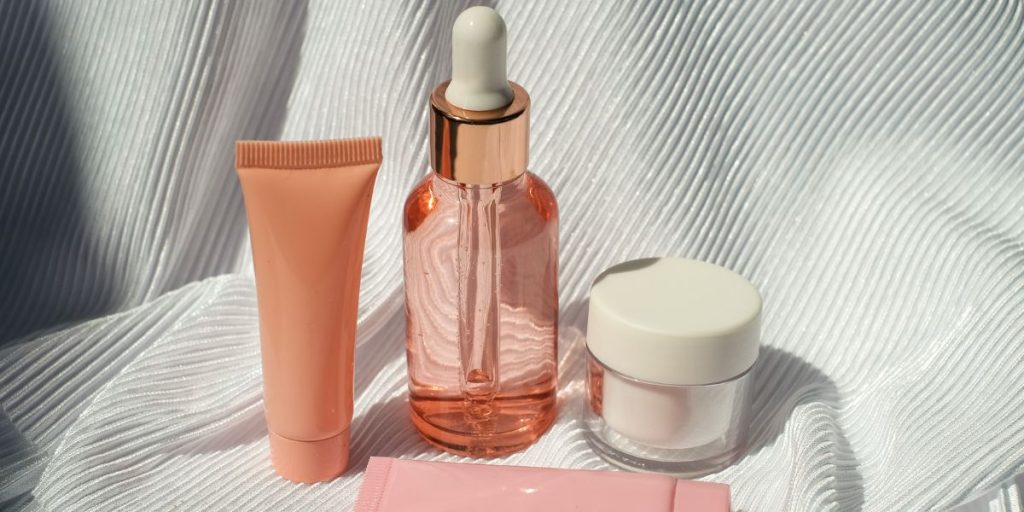
The best natural beauty products offer a healthy and effective alternative to conventional cosmetics. In this article, you will find out how to identify quality care, examples of effective ingredients and practical tips for adopting a natural routine. To understand the wider impact of innovations, see also this article on emerging technologies which influences industry.
Why choose The best natural beauty products
Choose The best natural beauty products are to focus on skin health and durability. These products contain fewer irritant synthetic components, such as parabens, silicones or sulphates.
They are often better suited for sensitive skins, as they rely on ingredients of plant origin. Moreover, the ethical approach (cruelty-free, vegan) is frequently associated with natural brands.
Finally, the choice of natural products promotes the environment by limiting persistent substances and non-recyclable packaging.
Concrete benefits
- Better skin tolerance.
- Biodegradable ingredients.
- Transparency on composition.
- Often crafted or locally.
How to read a label to spot real natural products
Reading a label correctly is an essential skill. Here are simple and practical steps.
- Start by checking the INCI list to identify ingredients of natural origin.
- Search for recognized labels (COSMOS, Ecocert, NATRUE).
- Beware of vague terms like « from natural extracts » Unspecified.
- Check the position of the ingredients: those at the top of the list are the most present.
Transition: In addition, follow these tips so you won't be fooled by greenwashing.
- Favour products with a short and understandable list of ingredients.
- Look for safe natural preservatives (e.g. vitamin E, citric acid) and avoid formulas without preservatives for aqueous products.
- Test a small area before use.
Essential natural ingredients and their benefits
Here is a selection of powerful and clearly identifiable ingredients in the best natural beauty products.
- Jojoba oil: balances sebum, excellent for mixed skin.
- Shea butter: nutritious and repairer for dry skin.
- Aloe vera: soothing and moisturizing, useful after sun.
- Musk pink oil: rich in vitamin A, promotes cell regeneration.
- Lavender essential oil: mild and relaxing antiseptic (to be diluted).
- Green clay: purifying for oily skin and weekly mask.
These ingredients make it possible to compose simple, efficient and respectful routines.
Routine daily beauty with natural products
Here is a typical routine, simple to adapt according to the skin type.
-
Morning:
- Gentle cleaner (oil/freeze base).
- Vera or hydrolat tonic.
- Dioxidant based light serum (natural vitamin C).
- Light moisturizing cream with SPF if exposed to the sun.
-
Evening:
- Double cleansing if make-up: make-up oil then gentle cleansing.
- Repairing serum (plant oils such as jojoba or musk pink).
- Rich cream or night oil depending on dry skin.
Practical advice: Adapt the frequency of masks (clay, moisturizers) according to the skin's needs, once or twice a week is enough most of the time.
DIY: simple and safe recipes to make at home
Here are some easy and tested recipes to integrate the best natural beauty products in you.
Express moisturizing mask (dry skin)
- 1 tablespoon of natural yogurt.
- 1 teaspoon of pure honey.
- 1/2 teaspoon of sweet almond oil.
Mix and apply 10-15 minutes, then rinse with warm water.
Face repair serum (mature skin)
- 10 ml of musk pink oil.
- 10 ml of jojoba oil.
Apply 2-3 drops in the evening to clean face.
Soft body scrub
- 3 tablespoons of fine sugar.
- 2 tablespoons of melted coconut oil.
Mass the body in circular movements, then rinse.
Important: Always perform a skin test and respect the doses of essential oils if used.
Tips for storing and using your natural products
Natural products sometimes require more attention in terms of conservation.
- Store in the shelter of light and heat.
- Prefer tinted glass vials to limit oxidation.
- Respect the duration of use after opening (PAO).
- If a product changes smell or texture, discard it.
Practical tips: Store DIY mixtures in the refrigerator to extend their duration and use clean utensils to avoid contamination.
Where to buy The best natural beauty products with confidence
To purchase safely, you should choose specialist shops, transparent brands and labels. Avoid buying on questionable platforms without information about ingredients.
For legal information or mandatory information from manufacturers, see official legal statements which help to verify the conformity of a mark.
Common mistakes to avoid
- Suppose that a product « natural » is automatically hypoallergenic.
- Neglect allergy test.
- Use pure essential oils on the face without dilution.
- Store high temperature serum, which reduces its effectiveness.
Transition: By avoiding these mistakes, you will fully enjoy the real benefits of natural care.
Additional tips for specific skin
- Acne skin: prefer jojoba oil and green clay, avoid comedogenic oils.
- Dry skin: Incorporate butters (karity) and rich oils (argan).
- Sensitive skin: choose products without perfume and with few ingredients.
FAQ
Are natural products really better for my skin?
Yes, often. Natural products have fewer irritant additives and promote tolerance. However, the quality varies: look at the composition and do a skin test.
How to avoid greenwashing when buying natural cosmetics?
Check the INCI list, look for credible labels (COSMOS, Ecocert) and prefer transparent brands that publish independent analyses or certifications.
Can essential oils be used on sensitive skin?
Only diluted and in limited quantity. Avoid some photosensitizing oils (e.g. bergamot) and test on a small area before application.
Conclusion
Adopt The best natural beauty products transform your routine into a healthy and responsible act. By learning to read labels, recognize effective ingredients and apply simple conservation gestures, you will gain in efficiency and serenity.
Take action today: start by replacing a conventional product with a natural alternative, test the proposed DIY recipes and promote transparent brands to protect your skin and the planet.

